
Culture is Healing
Chapter Three: Crossing Generations
Chapter Three asks a simple question: What is the value of generations coming together?
For this chapter of the global collaborative project 1 in 6 by 2030, I was invited to document the work of Two Feathers Native American Family Services, a Native-led organization supporting youth and families in Humboldt County.
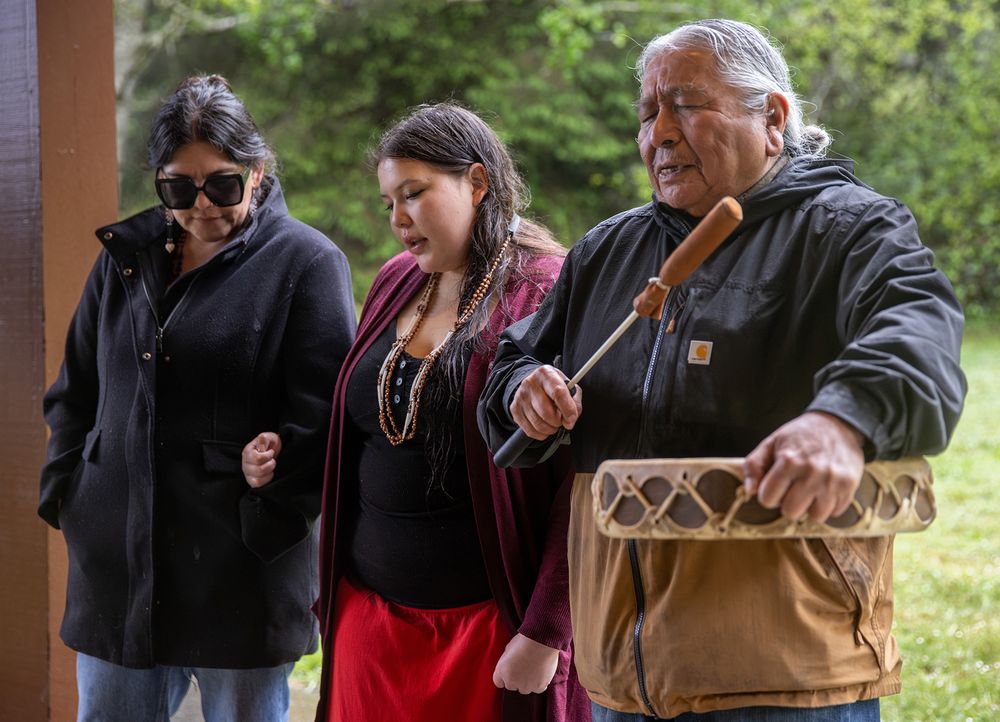
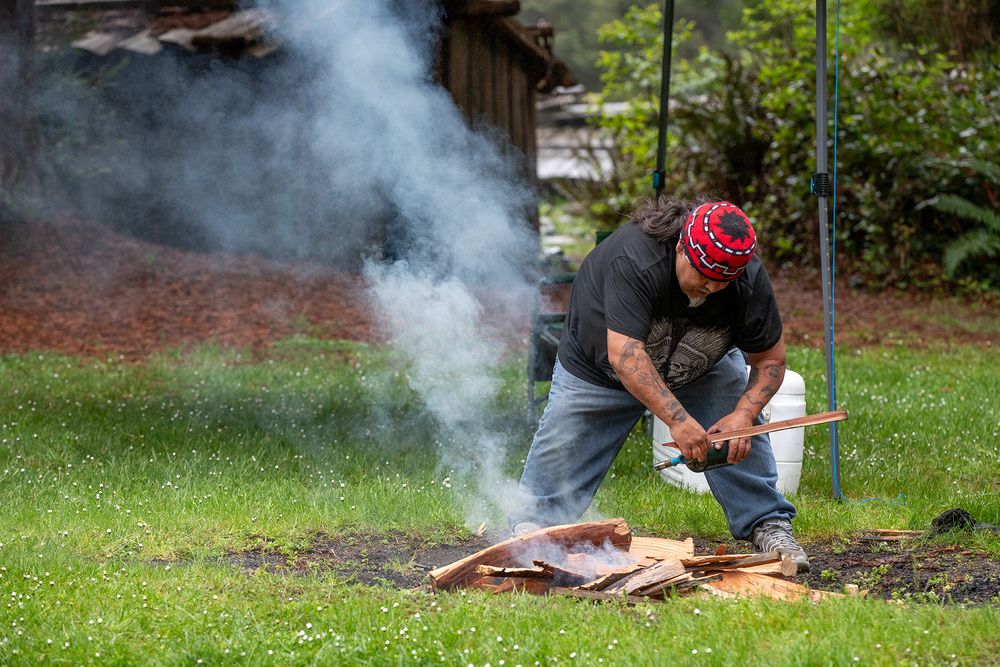
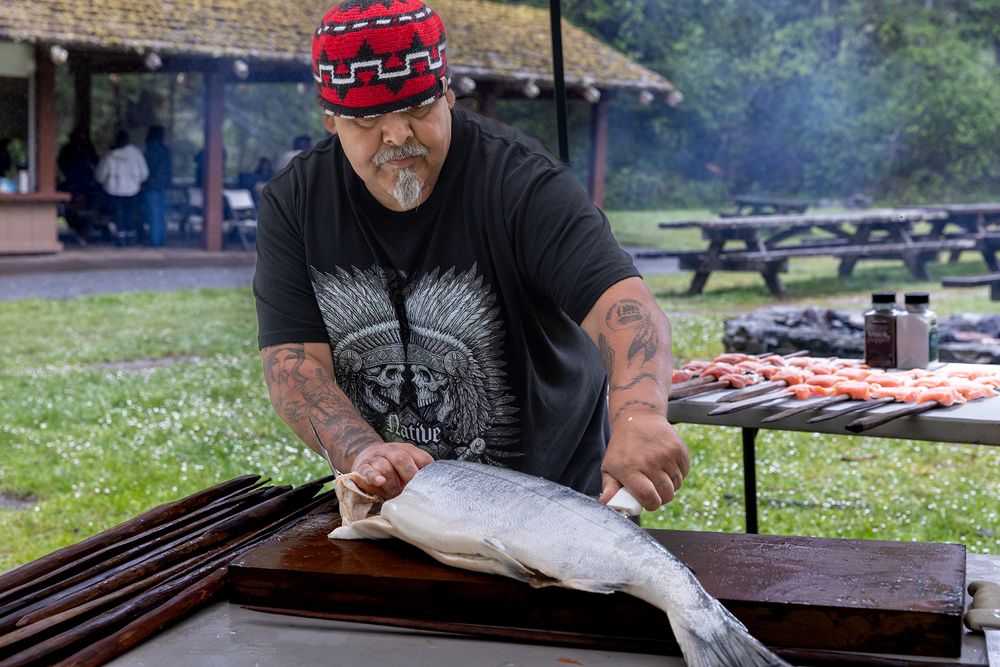
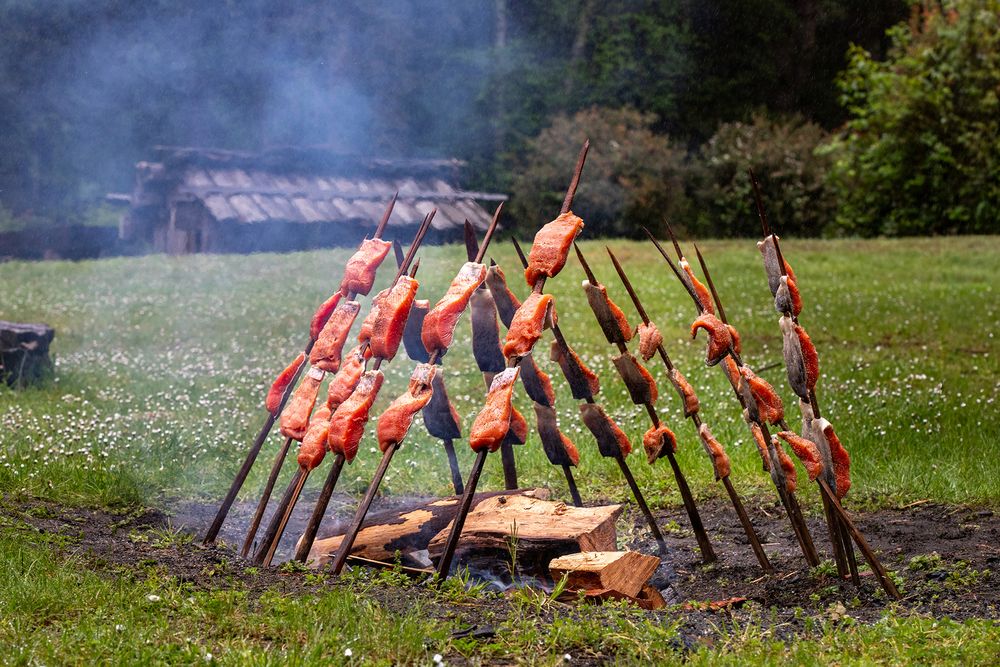
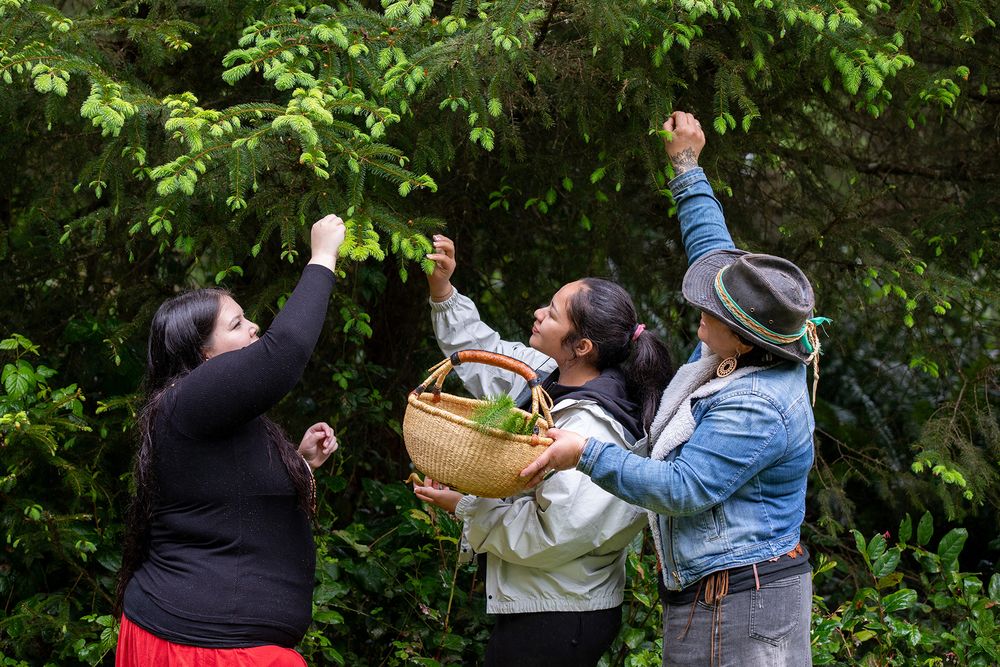
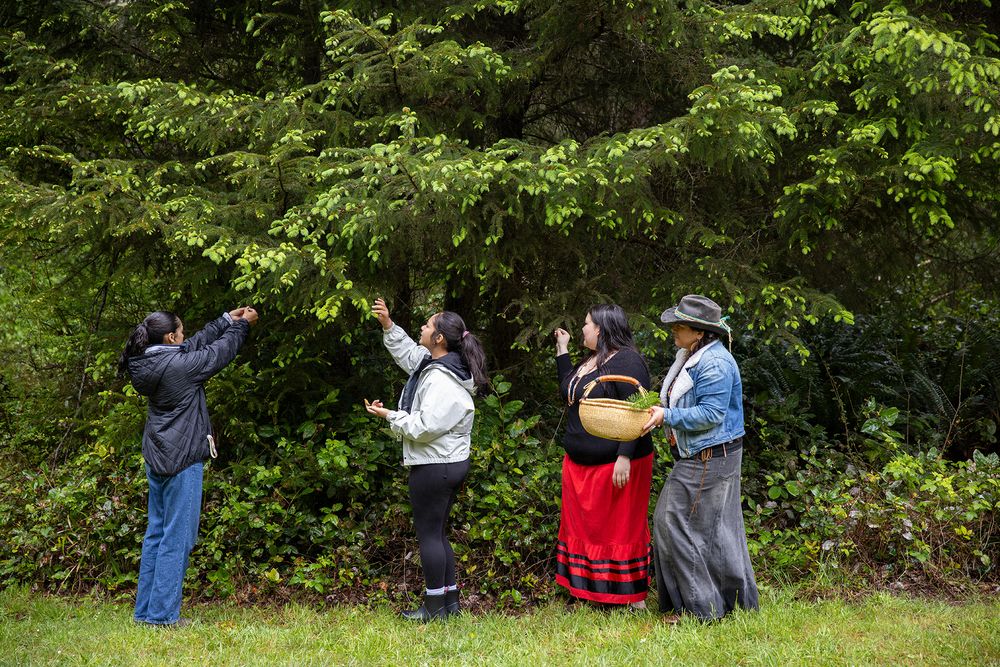
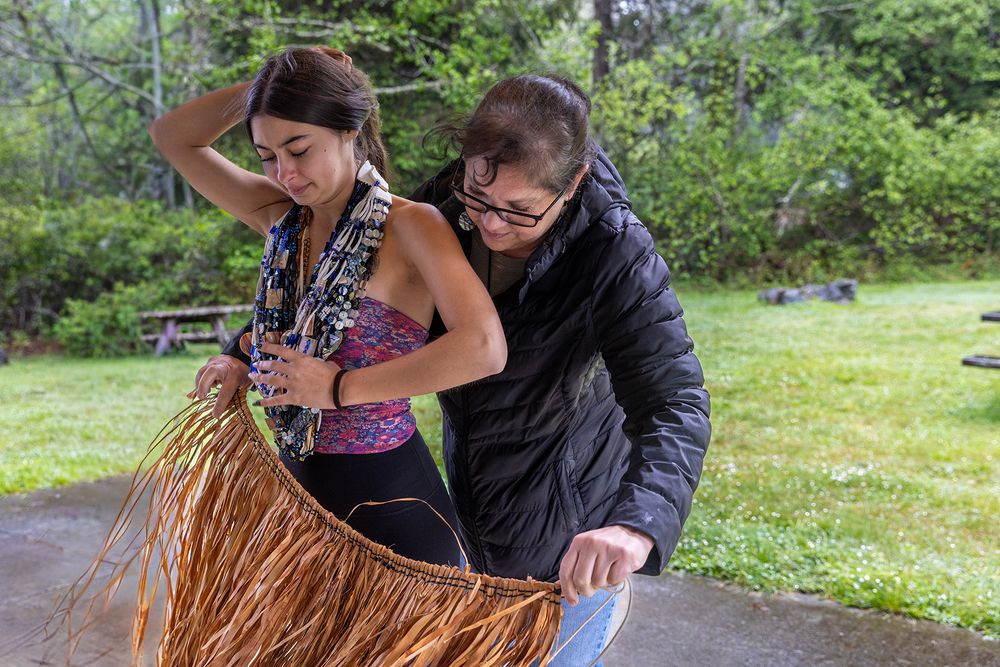
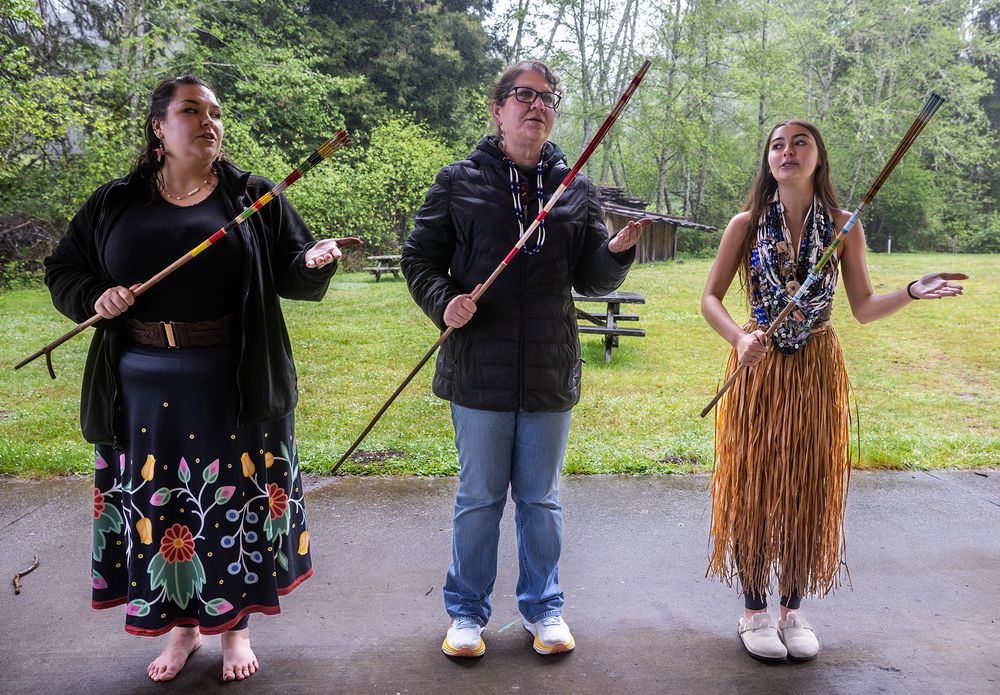
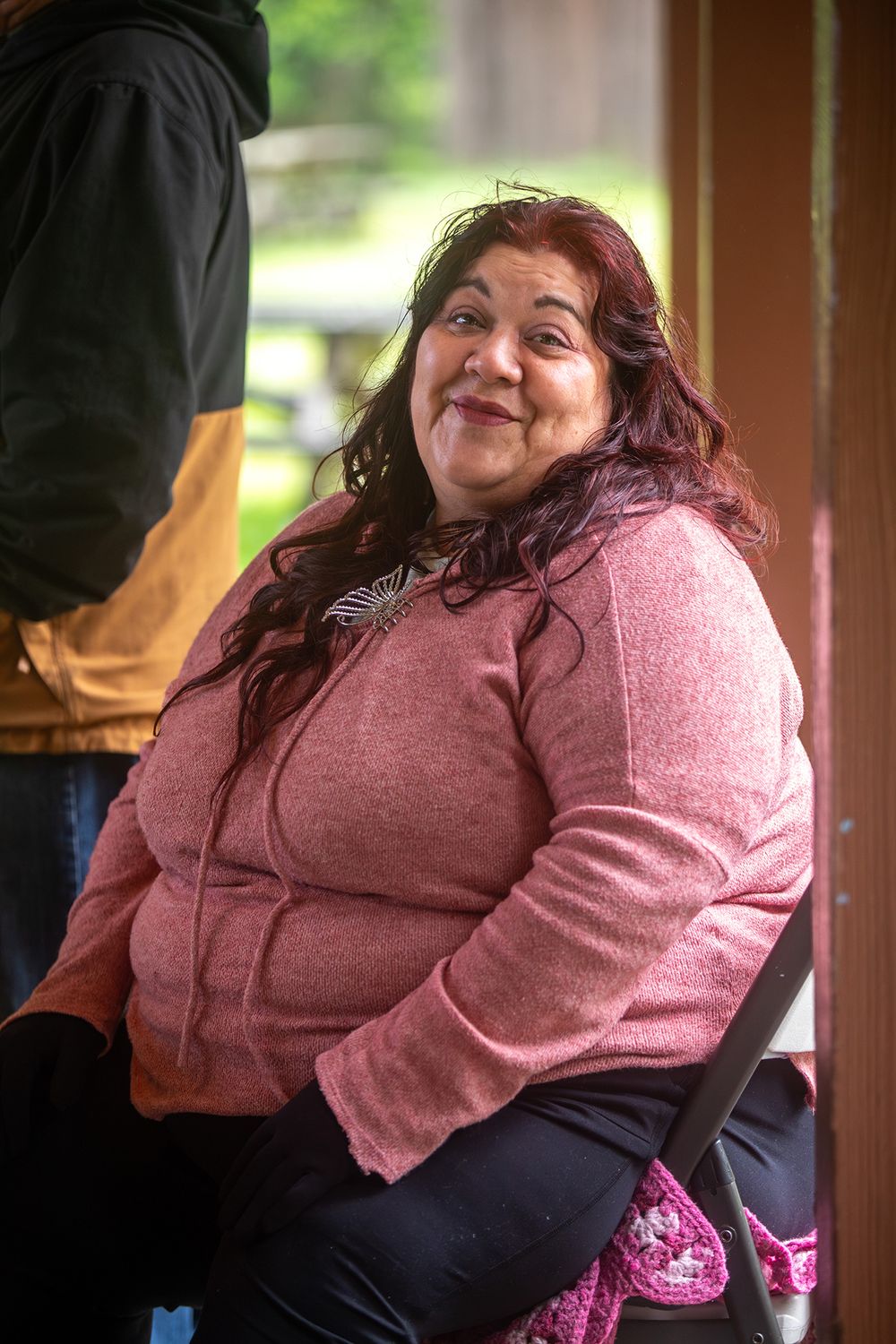
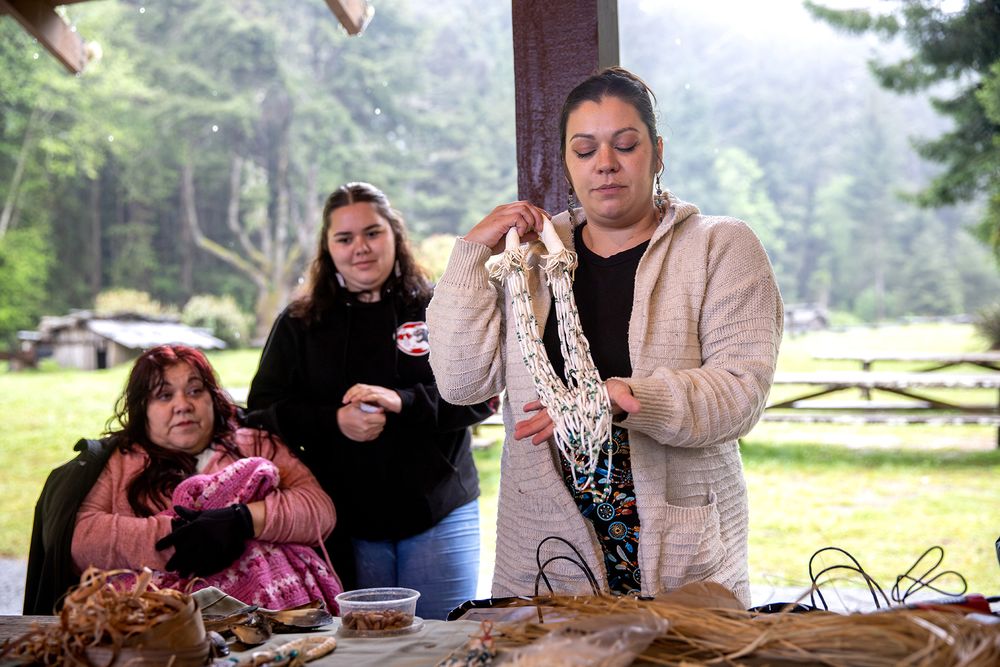
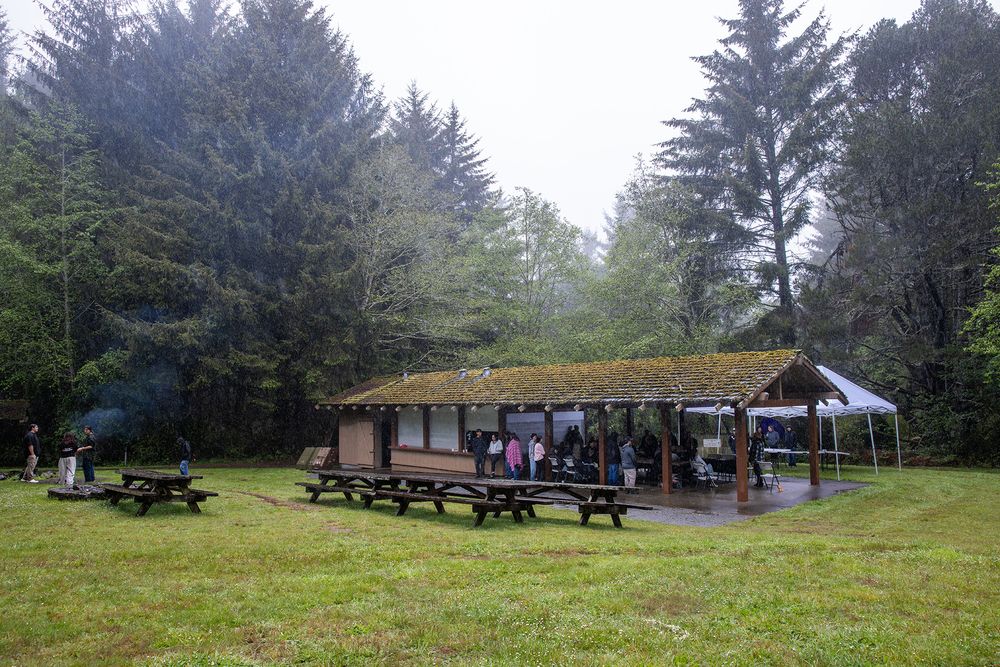
Through their Culture Is Healing project, Native youth connected with elders to learn about cultural traditions, personal histories, and the role of culture in healing and resilience. I photographed He-We-Chek', I Survive: A Day of Intergenerational Sharing, a gathering at Sue-Meg State Park where generations came together through storytelling, songs, ceremony, food, and traditions. What drew me to this gathering was the relationship between generations, the passing of knowledge from elders to youth, and the ways cultural traditions continue to bring people together.
This project is a natural extension of my documentary photography, which explores the relationships, rituals, and everyday moments that tell the stories of our lives. If there's someone in your life whose story you would like to preserve through a photo essay, I invite you to start a conversation with me.
What is the value of generations coming together in programs like this?
—Kellie McGlathery, Two Feathers Youth Development Specialist
"Generations coming together not only benefits the youth but the community as a whole. It brings hope and resilience to the youth and also to the elders from whom they are learning. In native communities, there is a lot of generational trauma that can continue to be passed down to our younger generations. Elders sharing how they overcame the generational trauma gives the youth hope that they can as well.
Culture and traditions are a big part of life in native communities. At one point, colonization prevented its practice. Bringing back cultural practices and sharing them with the youth allows the culture and traditions to live on, it also allows generational trauma to heal for future generations."
He-We-Chek', I Survive
Culture Is Healing is an intergenerational project developed by Two Feathers Native American Family Services in Humboldt County. Through conversations with Native elders, young people explored the importance of cultural knowledge, identity, and traditions in supporting wellness and resilience.
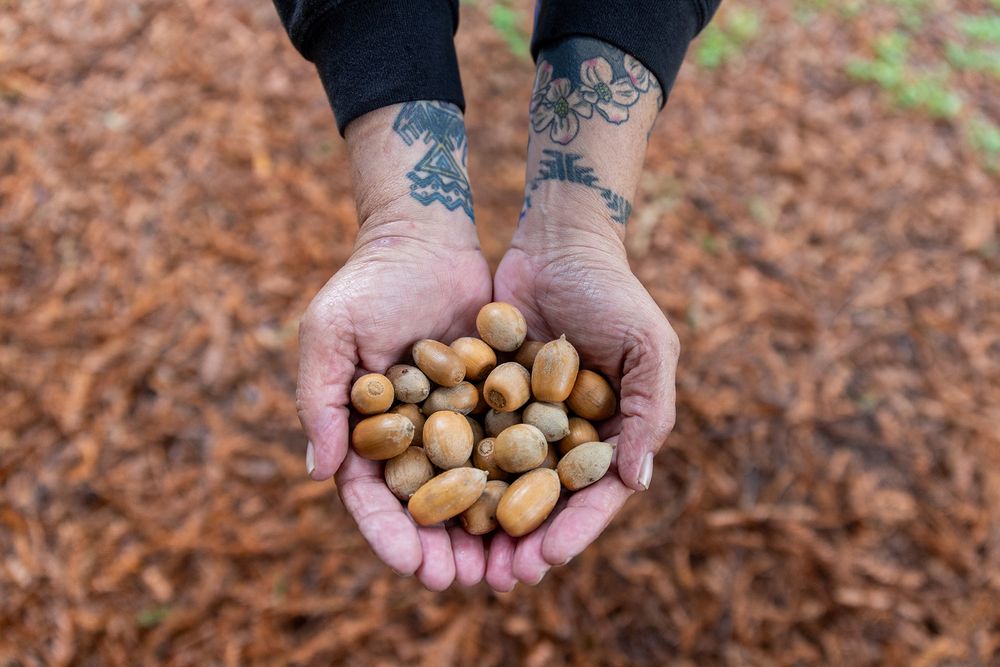
These conversations led to He-We-Chek', I Survive: A Day of Intergenerational Sharing, held at Sue-Meg State Park. Native elders, youth, families, and community members gathered to share stories, songs, ceremony, traditional foods, and cultural practices. Throughout the day, elders shared knowledge rooted in their lives and communities, while younger generations participated in traditions that connect them to their history and heritage.
The gathering brought these relationships to life, creating opportunities for generations to learn from one another, strengthen connections, and carry cultural knowledge and traditions forward.
Through these exchanges, Culture Is Healing reveals the importance of intergenerational connection in sustaining traditions, strengthening identity, and nurturing a sense of belonging.